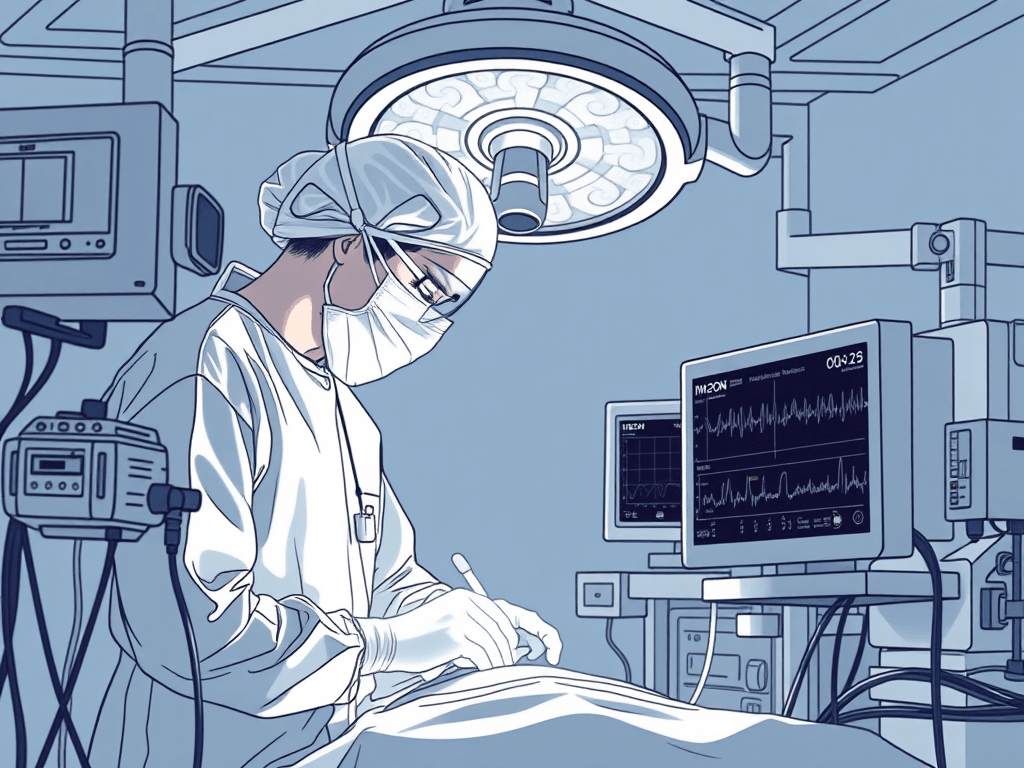
What is intraoperative neuromonitoring (IONM), and why is it important?
Other than being an absolute mouthful of syllables, IONM is a means of assessing aspects of the central and peripheral nervous system during surgical procedures. These procedures range from orthopedic spine, cranial and spinal neurosurgery, urological, interventional radiology, vascular, and ear nose & throat (ENT) surgeries. The goal of IONM is to identify neural insults that would otherwise be undetected. Interventions can then be taken to eliminate or minimize potentially irreversible damage to the nervous system and prevent a potentially devastating postoperative deficit.
IONM is typically performed by a dedicated neurophysiologist or IONM clinician who works under the direct supervision of a professional (neurologist, neurophysiologist, audiologist). It forms a multidisciplinary team along with anesthesia and surgical personnel to deliver care.
An intraoperative neuromonitoring clinician should be trained to set up, troubleshoot, and operate IONM systems. They place electrodes, run various studies, and record intraoperative events and physiological parameters during the procedure.
Ultimately, IONM serves as a real-time safeguard for the nervous system, offering surgeons and anesthesiologists critical insight when it matters most. The ability to detect and respond to changes in neural function before permanent damage occurs has transformed the standard of care in high-risk procedures.
With ongoing advancements in technology and training, intraoperative neuromonitoring will remain an essential part of modern surgical practice, protecting what matters most: the patient’s quality of life.
This is an extremely broad overview, and in the coming weeks/months/years I hope to expand in great detail what it means to be a neuromonitoring clinician!
 The Nerve Desk
Leave a comment